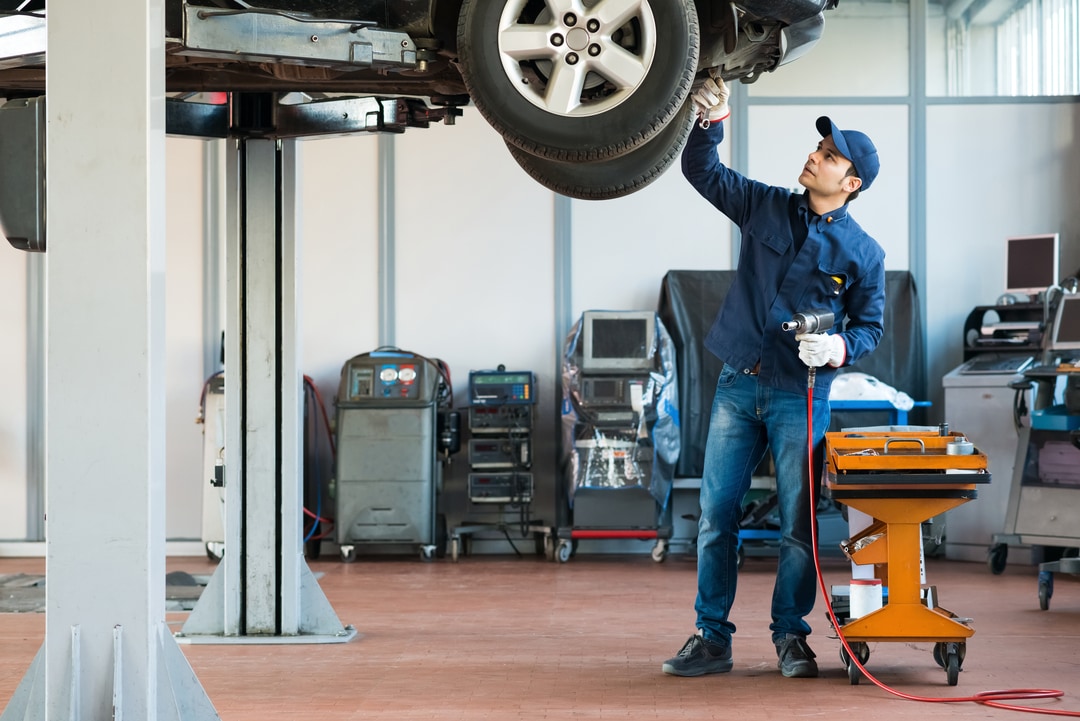
Summer Tires

Your Complete Guide to Getting New Tires for Summer: Buying, Maintenance, and Safety Tips


As summer approaches, focus on your vehicle's tires. Whether for road trips, commutes, or adventures, proper tires ensure safety, performance, and fuel efficiency. This guide covers selecting, maintaining, and buying new summer tires.

Why Summer Tire Preparation Matters

Summer driving presents unique challenges needing properly functioning tires. Hot pavement, rain, and long highways require tires that handle heat and varied conditions. Worn tires can decrease handling, increase stopping distances, and risk blowouts in heat.

Properly maintained summer tires improve fuel economy by reducing vehicle effort, saving money on fuel during summer trips.

Signs You Need New Tires

Before summer arrives, it's crucial to assess whether your current tires are up to the task. Here are the key indicators that it's time for a replacement:

  • Tread Depth: The penny test is a simple way to check tread depth. Insert a penny into the tread groove with Lincoln's head facing down. If you can see the top of Lincoln's head, your tread is too shallow and it's time for new tires.
  • Tire Age: Even if your tires look fine, rubber degrades over time. Most manufacturers recommend replacing tires every six to ten years, regardless of tread wear.
  • Visible Damage: Look for cracks in the sidewall, bulges, blisters, or any foreign objects embedded in the tire. These are serious safety concerns that warrant immediate replacement.
  • Uneven Wear Patterns: If your tires show uneven wear across the tread, this could indicate alignment issues or improper inflation, and the tires may need replacing.
  • Vibration While Driving: Excessive vibration can signal internal tire damage or balance issues that may require new tires.

Types of Tires for Summer Driving

When shopping for summer tires, understanding your options helps you make the best choice for your driving needs and budget:

Designed specifically for warm weather conditions, summer performance tires offer superior grip, handling, and responsiveness on both dry and wet roads. They're made with specialized rubber compounds that remain flexible in heat while providing excellent traction. However, they're not suitable for cold weather or snow.
If you live in an area with mild winters or prefer not to switch tires seasonally, all-season tires provide a balanced compromise. They perform adequately in various conditions, though they won't match the summer-specific performance of dedicated warm-weather tires.
Perfect for drivers who prioritize comfort and longevity, touring tires offer a smooth, quiet ride with good tread life. They're an excellent choice for daily commuters and highway driving.
For sports cars and performance vehicles, high-performance tires deliver maximum grip and handling capabilities. They typically have shorter tread life but provide an exhilarating driving experience.

How to Buy the Right Tires

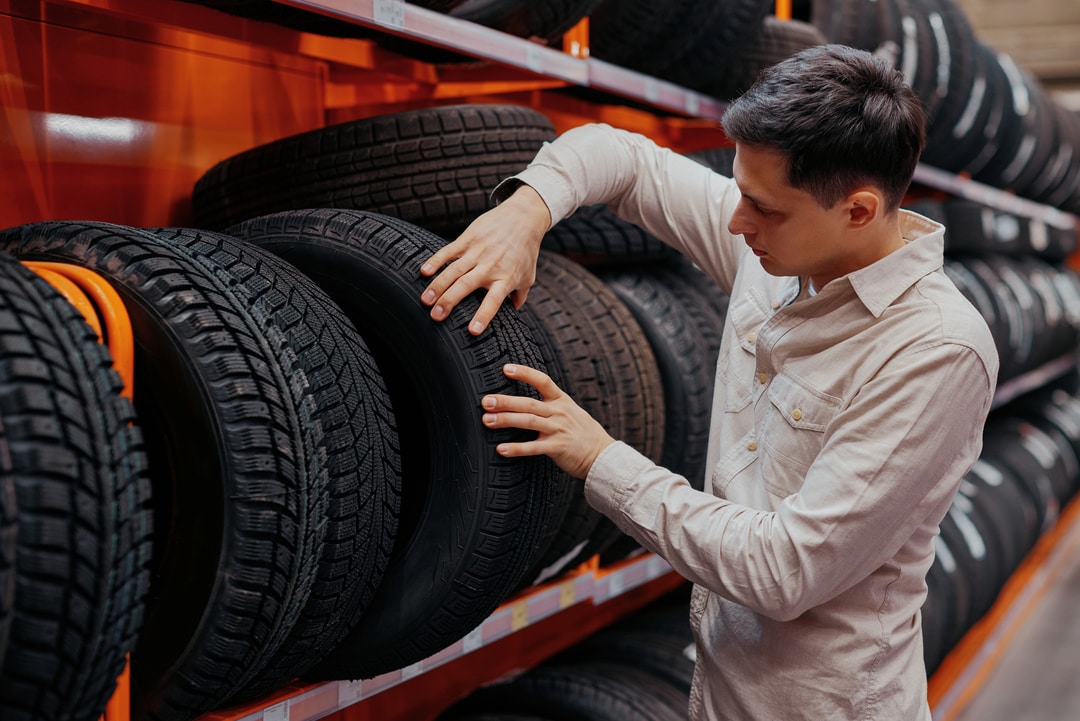
Purchasing tires can feel overwhelming with so many options available. Follow these guidelines to make an informed decision:

Your vehicle's correct tire size is listed in the owner's manual and on a sticker inside the driver's door jamb. The size appears as a series of numbers and letters (e.g., P225/65R17) that indicate width, aspect ratio, construction type, and wheel diameter. Always match these specifications when buying replacements.
The Uniform Tire Quality Grading (UTQG) system rates tires for treadwear, traction, and temperature resistance. Higher treadwear numbers indicate longer-lasting tires, while traction grades (AA, A, B, C) indicate wet-road stopping ability. Temperature grades (A, B, C) reflect heat resistance at high speeds.
While it's tempting to choose the cheapest option, tires are a critical safety investment. Mid-range tires often offer the best balance of performance, longevity, and value. Consider the cost per mile over the tire's expected lifespan, not just the upfront price.
Options include dealerships, dedicated tire shops, warehouse clubs, and online retailers. Compare prices across multiple sources, and factor in installation costs, warranties, and additional services like free rotations or road hazard protection.

Essential Tire Maintenance Tips

Once you have your summer tires installed, proper maintenance ensures they perform well and last as long as possible:

Tire pressure varies with temperature, making regular checks essential in summer. Check pressure at least once a month when the tires are cold, and use your vehicle's recommended PSI rather than the maximum pressure listed on the tire sidewall. Properly inflated tires improve handling, fuel efficiency, and tire longevity.
Rotating your tires every 5,000 to 8,000 miles promotes even wear and extends tire life. Front tires typically wear faster due to steering and braking forces, so regular rotation helps balance this wear pattern.
Misaligned wheels cause uneven tire wear and can affect vehicle handling. Have your alignment checked annually or whenever you notice your vehicle pulling to one side or experience unusual tire wear patterns.
Wheel balancing ensures smooth rotation and prevents vibrations. Have your tires balanced whenever they're mounted or if you notice vibration while driving.
Regularly inspect your tires for signs of damage, embedded objects, or unusual wear. Catching problems early can prevent more serious issues down the road.

Preparing for Summer Road Trips

Before embarking on summer adventures, take these additional steps to ensure tire readiness:

  • Pre-Trip Inspection: Thoroughly check all tires, including pressure, tread depth, and overall condition, before any long journey.
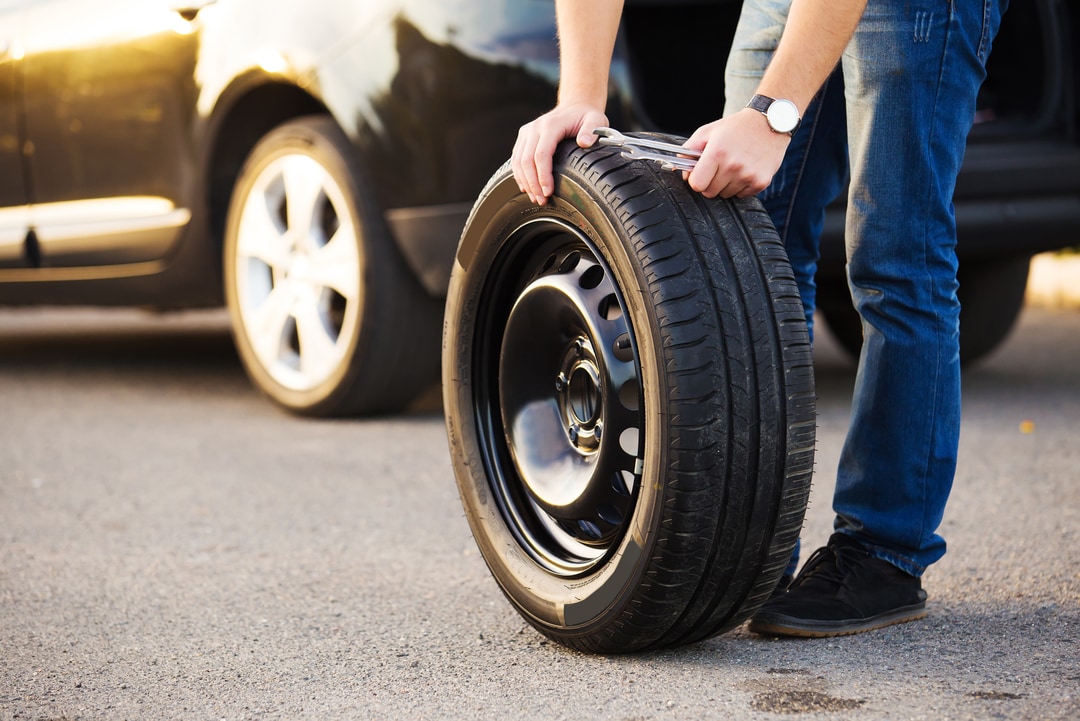
  • Spare Tire Check: Don't forget your spare tire. Verify it's properly inflated and in good condition. Ensure you have the necessary tools and know how to change a tire.
  • Emergency Kit: Pack a tire repair kit, portable air compressor, and roadside assistance information for peace of mind during travel.

When to Seek Professional Help

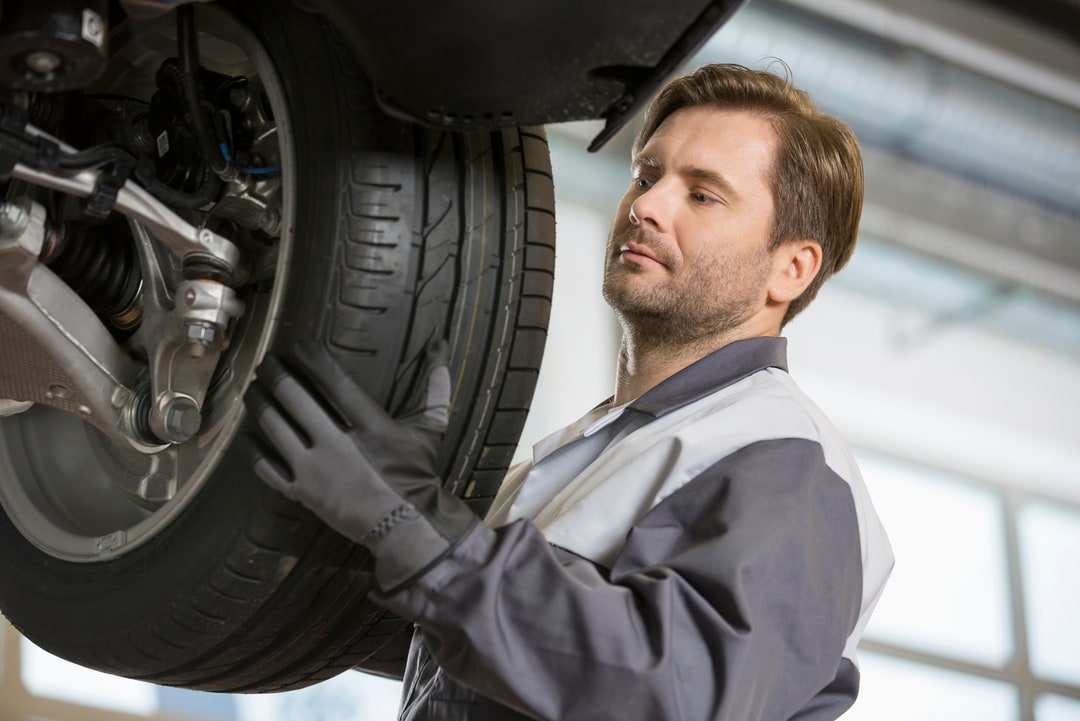
While basic tire maintenance can be done at home, some situations require professional expertise. Visit a tire professional if you notice unusual wear patterns, experience persistent vibration, hear strange noises while driving, or need complex services such as alignment or mounting. Professional installation also ensures that tires are properly seated and balanced for optimal performance and safety.

Visit Us Today!

Preparing your tires for summer boosts safety, performance, and peace of mind. Recognize when to replace, understand options, make informed choices, and maintain tires properly to enjoy confident driving all season. Don't wait for issues-start summer tire prep today and hit the road with confidence for warm-weather adventures.

Schedule a tire inspection at your local tire shop or consult a professional to discuss the best tire options for your vehicle and driving needs. Your safety on the road depends on the quality and condition of the tires beneath you.


How Can We Help?

* Indicates a required field

  1. Haddad GMC

    224 COLUMBIA ST
    ADAMS, MA 01220

    • Sales: (413) 743-0584
Loading Map...

Get in Touch

  • Contact our Sales Department at: (413) 743-0584
  • Monday8:00 am - 6:00 pm
  • Tuesday8:00 am - 6:00 pm
  • Wednesday8:00 am - 6:00 pm
  • Thursday8:00 am - 6:00 pm
  • Friday8:00 am - 6:00 pm
  • Saturday8:00 am - 6:00 pm
  • SundayClosed